

The Oldest
Show on Earth
Rethinking the Circus as a Universal Language of Storytelling
By Tom Corcoran. Photographs by Sebastian Rich
Published by ETHNOMAD
At some point, many of us have dreamt of running away to join the circus. Perhaps it was the lure of freedom, the thrill of escape, the promise of travel, or the longing to belong to a tribe bound not by blood but by shared wonder. Maybe it was the desire to perform, to step into the light, defy gravity, and astonish. Whatever the reason, the circus calls to something ancient within us: the part that yearns to tell stories not with words, but with the body, with courage, with rhythm and risk. As the sun dips low and shadows stretch beneath the sprawling canvas tent, ropes creak, stakes are driven deep into the earth, and the circus stirs to life like a magnificent beast awakening from slumber. This timeless ritual, played out for centuries across continents, marks the beginning of yet another magical night beneath the big top, a collective breath held before the extraordinary unfolds. History and artistry breathe through every gesture here, spun from a lineage of imagination, daring, and deep human longing.

The circus has long inspired cinema’s imagination, producing some of its most iconic moments. The Greatest Show on Earth (1952), Cecil B. DeMille’s grand Technicolour epic, captured the golden age of the American travelling circus and won the Academy Award for Best Picture. In Trapeze (1956), Carol Reed explored the passion and peril of life in the air, with Burt Lancaster and Tony Curtis performing breathtaking stunts in a Parisian ring. More recently, The Greatest Showman (2017) brought circus spectacle to a new generation, blending fantasy, music, and themes of inclusion.
But perhaps the most timeless tribute remains Charlie Chaplin’s The Circus (1928), where his Little Tramp finds accidental fame under the big top, revealing that behind every laugh lies a story of longing, resilience, and humanity. In ancient Rome, the circus emerged as a grand imperial spectacle. Vast arenas such as the Circus Maximus could accommodate up to 150,000 spectators, hosting chariot races, gladiatorial combat, and dramatic hunts, productions designed to awe, unify, and control a diverse population. Humphrey, in his seminal study Roman Circuses: Arenas for Chariot Racing (1986), notes how these events embodied some of the earliest forms of circus, a confluence of ritual, sport, and mass entertainment that foreshadowed the modern arena. Though these spectacles faded with the empire’s decline, the appetite for awe endured. In medieval Europe, travelling performers, jugglers, tumblers, minstrels, and animal handlers took to village squares and festival streets, passing down spectacle through song, sleight of hand, and dexterity.
The modern European circus took shape in 18th-century England when cavalryman Philip Astley staged equestrian shows in a circular ring, a practical invention that let riders maintain balance through centrifugal force. Astley’s ring, which debuted in 1768, soon welcomed jugglers, clowns, tightrope walkers, and exotic animals, establishing a format that would be emulated worldwide. The circus evolved into a cultural behemoth, growing from modest crowds of a few hundred. Today, productions like Cirque du Soleil draw millions annually, having replaced elephants, lions and animal cruelty with immersive storytelling, stagecraft, and acrobatic brilliance.
But long before Astley’s ring, performance traditions flourished across Asia and Africa, far from amphitheatres and aristocratic theatres. In South Asia, for instance, hereditary performing castes such as the Madari, Bazigar, Nats, and Kalbelia have travelled from village to village for centuries, bringing with them a world of illusion, rhythm, music, storytelling and ritual.
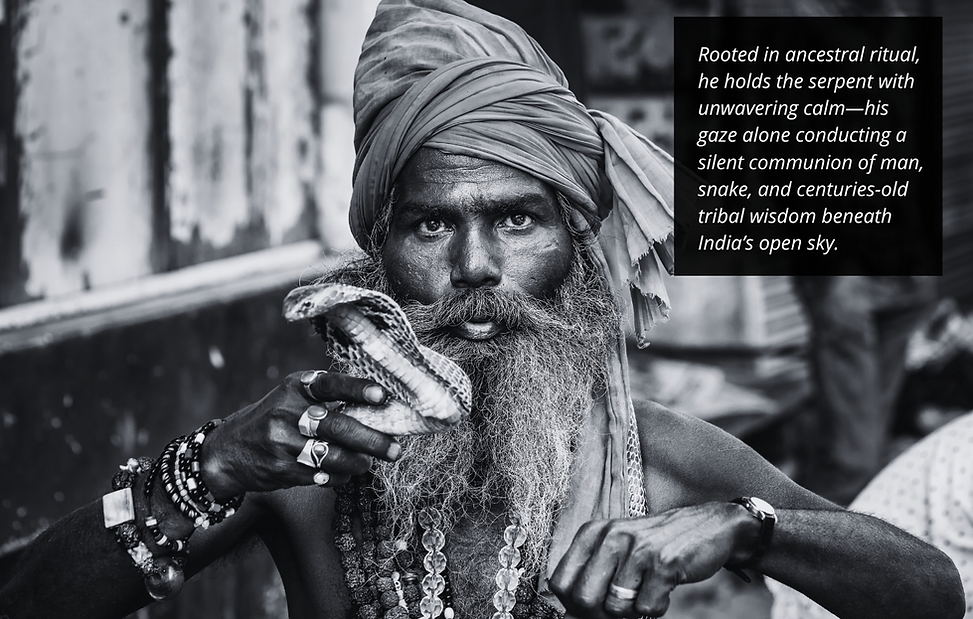
The Kalbelia, famed for their serpentine dance, trace their lineage to snake charmers once regarded with reverence and fear, now increasingly marginalised by wildlife protection laws and urbanisation. The Madari performs with monkeys and cobras; their routines are part invocation and part entertainment.
These performances are not simply acts but expressions of caste-bound livelihood, oral tradition, and sacred knowledge passed down through generations. Without formal arenas or institutional patronage, they thrive in the open: beneath banyan trees, beside temple gates, in dusty crossroads. Their improvisational style and intimate engagement with spectators make them arguably closer to the circus's soul than today's regimented stages. They are, in a real sense, custodians of a form far older than Astley's, they are nomadic, mystical, and deeply tied to the land and community.
We find echoes of this across the globe. In West Africa, griots and acrobats mix storytelling and performance in village gatherings; in China, qigong masters and plate-spinners once performed in teahouses and marketplaces; and in Mesoamerica, ritual dances and feats of balance were embedded in community ceremony. These forms, while not labelled 'circus' in the Western sense, emerge from the same impulse: to astonish, embody myth, tell stories and unite spectators in shared wonder.
By the 19th century, the modern circus had gone global. American impresario P.T. Barnum’s Grand Travelling Museum and Hippodrome drew crowds of tens of thousands daily. European giants like Circus Renz and Circus Knie dazzled audiences with exotic animals and awe-inspiring human feats. Wherever they travelled- America, Australia, Latin America- the circus left a trail of astonishment and an imprint on cultural imagination. Arrival in a new town was marked with parades, brass bands, and vivid posters promising marvels that defied belief.
But life behind the spectacle was demanding. Performers endured gruelling conditions, muddy roads, harsh weather, and the emotional weight of a nomadic existence. The circus was isolating and intimate: a travelling village bound by camaraderie, discipline, and shared craft. The show was only part of the story.
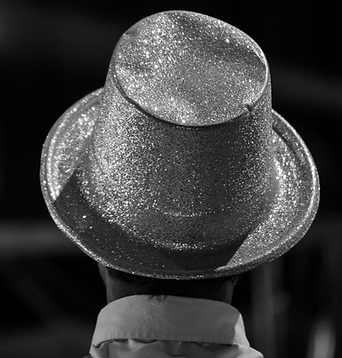
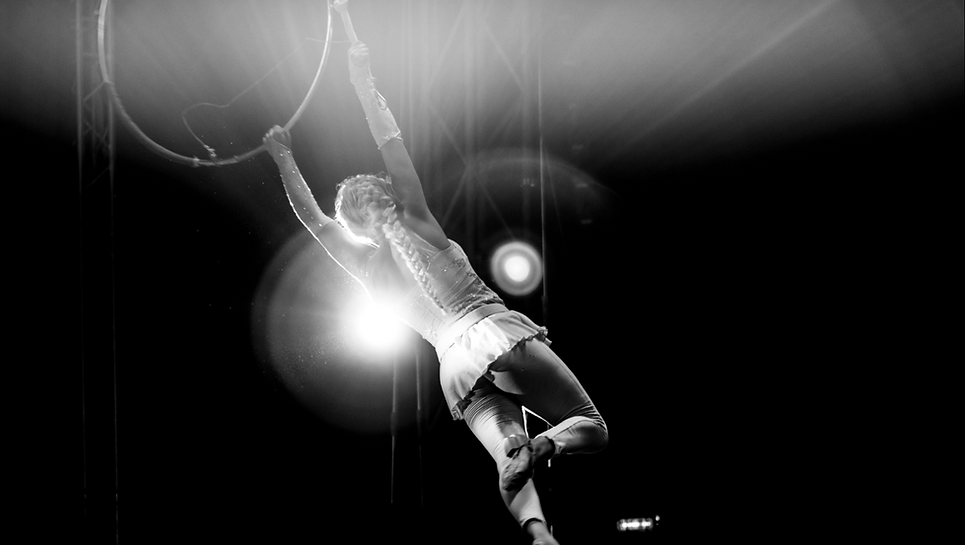
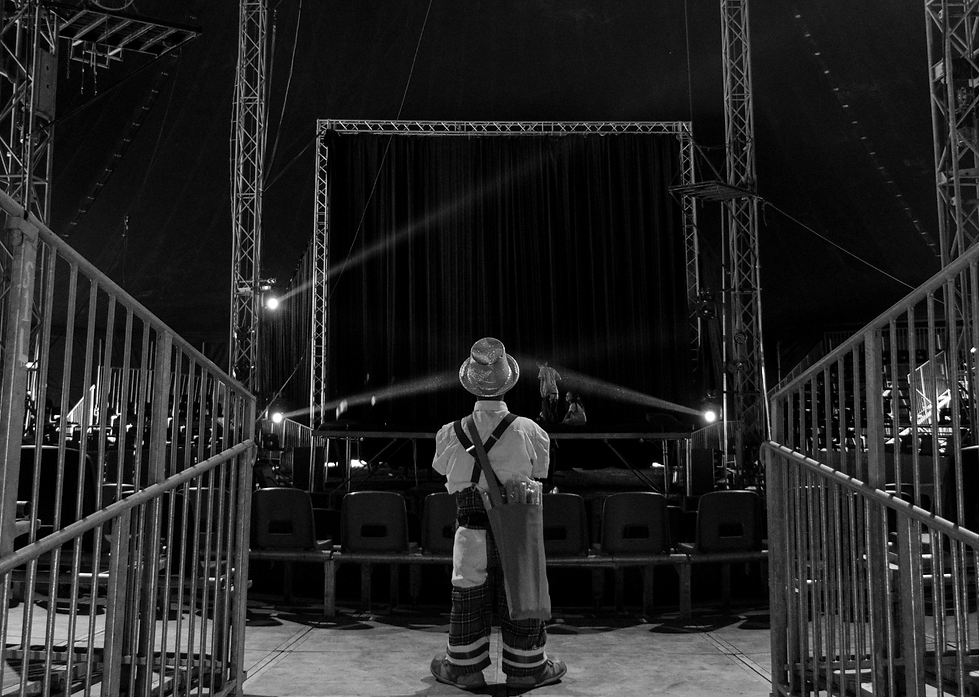
Under the big top, human creativity found one of its purest expressions. Aerialists danced on silks above gasping crowds. Acrobats balanced on pyramids of flesh. Equestrians spun, vaulted, and dazzled atop galloping horses. Each act resulted from years, often lifetimes, of training and sacrifice. At the emotional core stood the clown: misunderstood by many, but central to the tradition. Far from mere comic relief, clowns offered empathy, vulnerability, and subtle social commentary.
Animals, too, played a central role, captivating audiences with their beauty and intelligence. Yet this legacy is fraught with challenges. Increasing awareness of animal welfare has led to sweeping changes in circus ethics, with many companies retiring their animals in favour of digital illusions, puppetry, or human-only performances, allowing for innovation while responding to a more conscious age.
The 20th century brought electrified tents, motorised caravans, and more elaborate staging. Circus giants like Ringling Bros. and Barnum & Bailey became cultural institutions. Yet, as entertainment tastes shifted and operational costs rose, many circuses folded. In their place, new forms emerged, some of which were called Nouveau Cirque. Today, Cirque du Soleil is the most famous example, blending contemporary dance, original music, and visual theatre into something closer to a dreamscape than a spectacle. Since its founding in 1984, it has reached over 400 million people across 60 countries, proving that the circus still has the power to mesmerise.
Yet for all its evolution, the circus's soul remains unchanged. Whether under a tree in a village in rural India or beneath the LED-lit tent of a Vegas residency, the circus is a living archive of human skill, imagination, and resilience. It is a story without words, a universal language of balance, trust, transformation, and play.
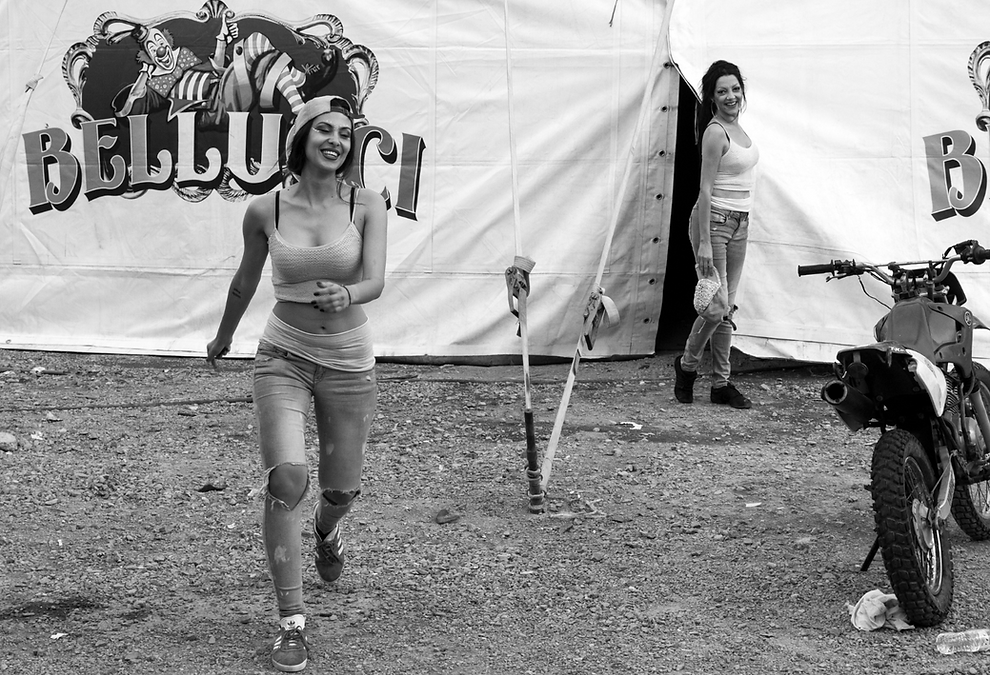
UNESCO’s recognition of the circus as Intangible Cultural Heritage marks an essential shift in understanding and valuing performance traditions, not merely as entertainment, but as living cultural expressions deeply rooted in community, history, and identity. This recognition has already been granted to the circus arts in countries like France (2012), where the traditional circus was acknowledged for its intergenerational transmission of knowledge, blending acrobatics, clowning, and animal training with storytelling and craftsmanship.
Such designation helps preserve and protect these traditions by raising public awareness, encouraging governments to support training schools and performance spaces, and validating the cultural significance of often marginalised or underfunded performers. For circus families, many of whom live and work outside formal institutional structures, UNESCO status provides legitimacy, opens doors to funding and educational initiatives, and can foster national pride in sustaining a vital, evolving art form that connects generations through spectacle, skill, and shared humanity.

Eyes narrowed and breath steady, he readies himself for the Wheel of Death, where there’s no margin for error and no room for a bad day at the office.
For those who live the circus life, it is not a performance but a calling. It means long roads, small crowds, aching limbs, and makeshift homes. It means belonging to a world where risk is art and repetition is devotion. The tent becomes a universe, its canvas flapping like lungs, its ropes pulled taut by hope: hope that the audience will arrive, and that, for one fleeting evening, they will be mesmerised. Life inside it is a dance between spotlight and shadow, applause and solitude, tradition and reinvention. But that tension, that constant balancing act, makes the circus endure.
Because beneath every leap and painted smile lies something more: a story of commitment, of courage, of choosing wonder in a world that too often forgets to look up. The circus is not merely a spectacle. It is a way of being. A way of remembering. A way of holding open the door to magic, night after night, city after city, town after town, for those willing to dream.

-
In 1768, English cavalryman Philip Astley invented the circular ring (42 feet in diameter) to better showcase equestrian tricks, setting the global standard still used today.
-
Ancient Rome’s Circus Maximus could hold up to 250,000 spectators, making it the largest entertainment venue in history, and a true ancestor to modern spectacle.

-
In 1890, Barnum & Bailey’s show featured 263 performers and 175 animals, travelling by rail in a logistical feat unmatched in its time.
-
In 1977, 52,385 people packed into the New Orleans Superdome to watch Ringling Bros. and Barnum & Bailey—still the largest live circus audience ever recorded.
-
In 2021, Cambodia’s Phare Ponleu Selpak performed non-stop for 24 hours, 10 minutes, and 30 seconds, setting a Guinness World Record for the longest continuous circus show.
-
In 1890, Barnum & Bailey’s show featured 263 performers and 175 animals, travelling by rail in a logistical feat unmatched in its time.
-
In 1977, 52,385 people packed into the New Orleans Superdome to watch Ringling Bros. and Barnum & Bailey—still the largest live circus audience ever recorded.
-
In 2021, Cambodia’s Phare Ponleu Selpak performed non-stop for 24 hours, 10 minutes, and 30 seconds, setting a Guinness World Record for the longest continuous circus show.
And when the audience goes home...
